While the Medici family commissioned works by some of the greatest Renaissance masters, they also played a decisive role in democratizing access to art by donating their invaluable collections to the city of Florence. Presented here are seven exceptional collections, initiated by the Medici and other Florentine art patrons, that should not be missed when in Florence.
Florence is celebrated for its churches, palaces, and Renaissance masterpieces, but the city is also home to some unique collections. As a centre of art, science, craftsmanship, and scholarship for centuries, Florence has attracted patrons, collectors, and intellectuals eager to preserve and display the wonders of their age. From anatomical waxes and scientific instruments to sculptures, and decorative arts, these remarkable collections offer a different perspective on the city’s rich cultural heritage.
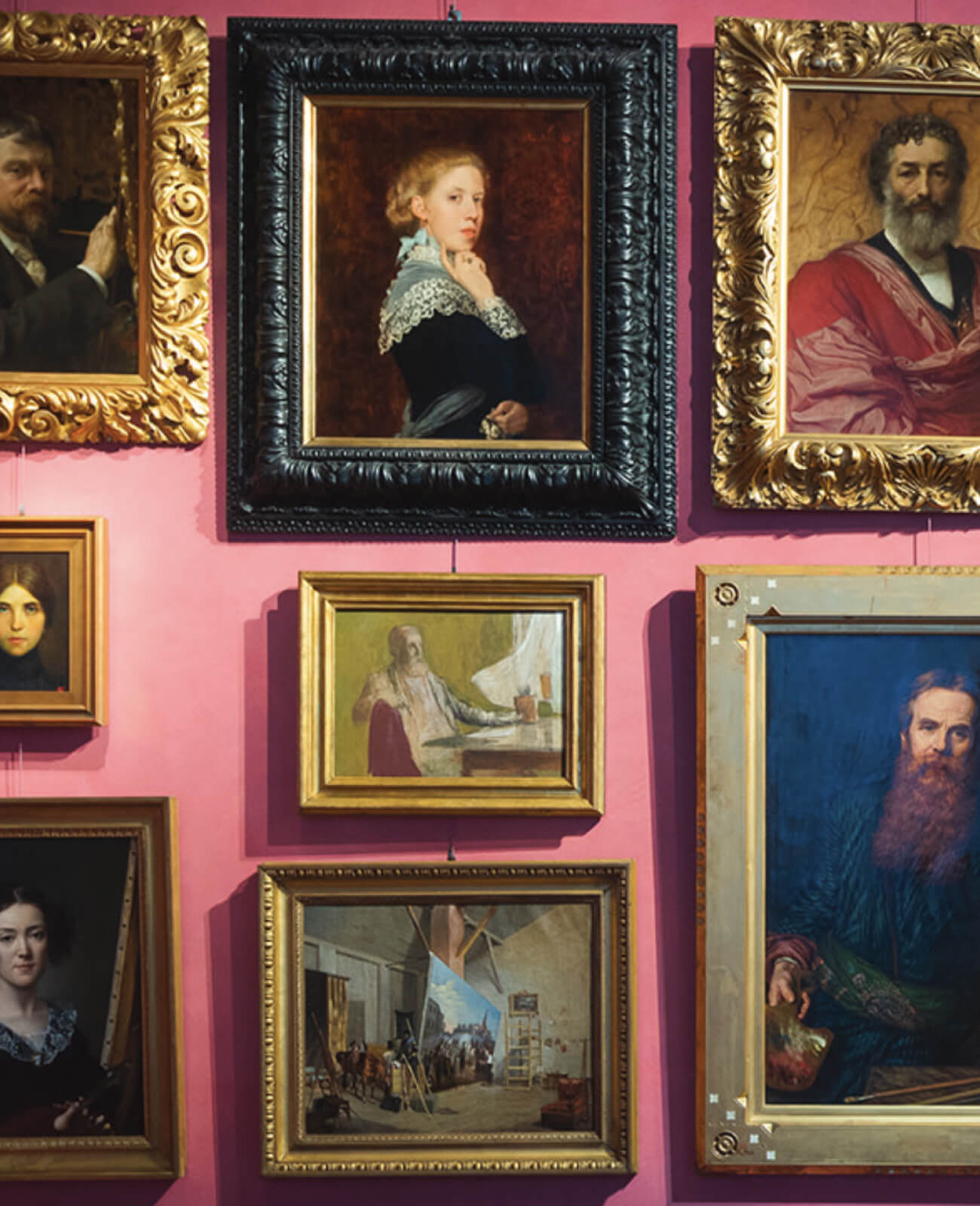
Founded in the 17th century by Cardinal Leopoldo de’ Medici, this extraordinary collection of self-portraits is the most important of its kind in the world, bringing together more than 2,000 paintings, sculptures, and drawings. Previously displayed in part in the Corridoio Vasariano, the collection is now housed in twelve dedicated rooms within the museum, allowing visitors to enjoy an intimate tête-à-tête with artists such as Peter Paul Rubens, Carl Larsson, and Ai Weiwei.
Get directions: Piazzale degli Uffizi, 6
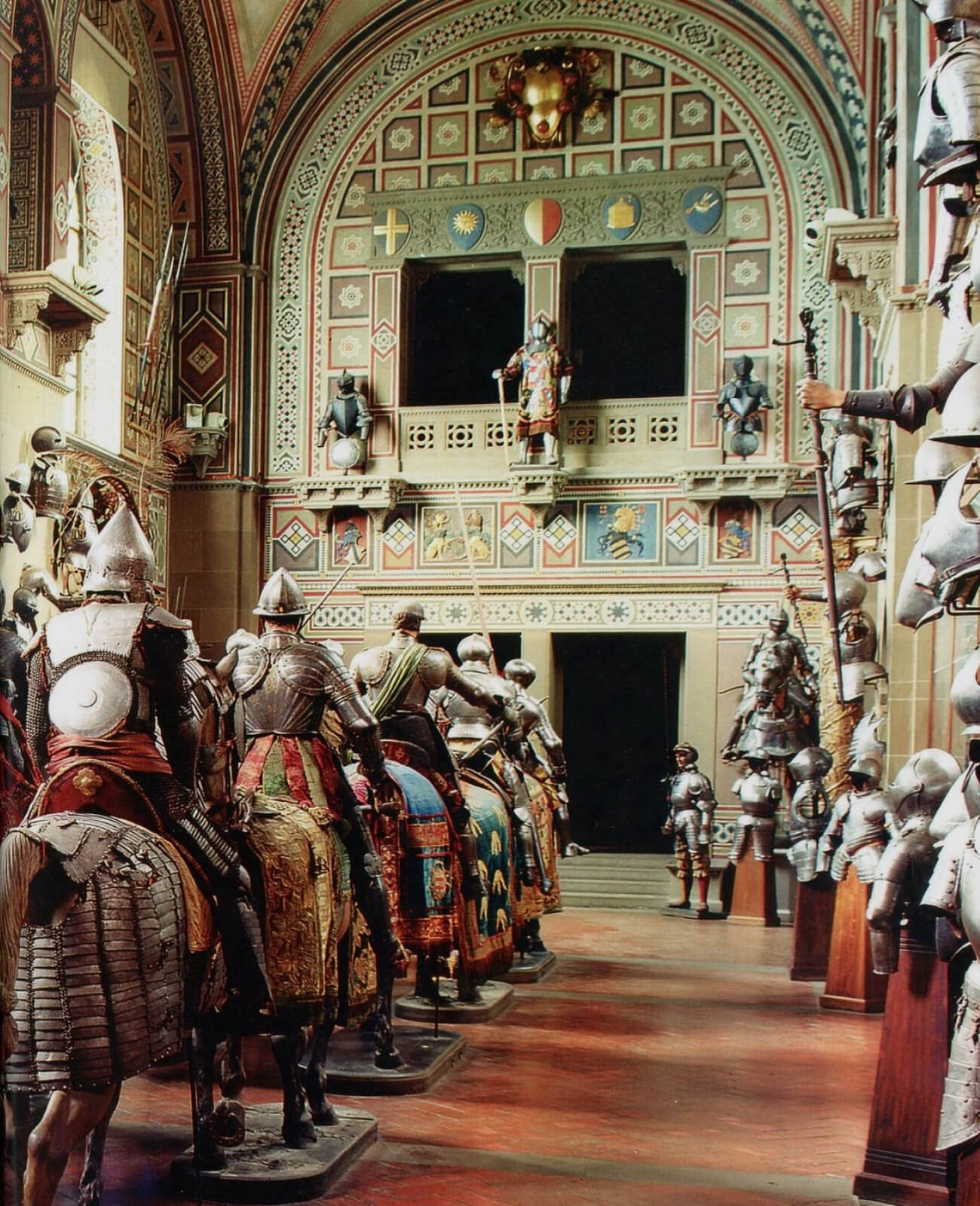
When the British nobleman Frederick Stibbert inherited his grandfather’s villa in the Florentine hills, he devoted the rest of his life to collecting art and antiques, transforming his home into a museum that he later donated to the city of Florence. His most significant collection comprises around 16,000 European, Oriental, Islamic, and Japanese arms and armour dating from the 15th to the 19th centuries. The Stibbert Museum houses the largest collection of Japanese armour in the world outside Japan.
Get directions: Via Federico Stibbert, 26
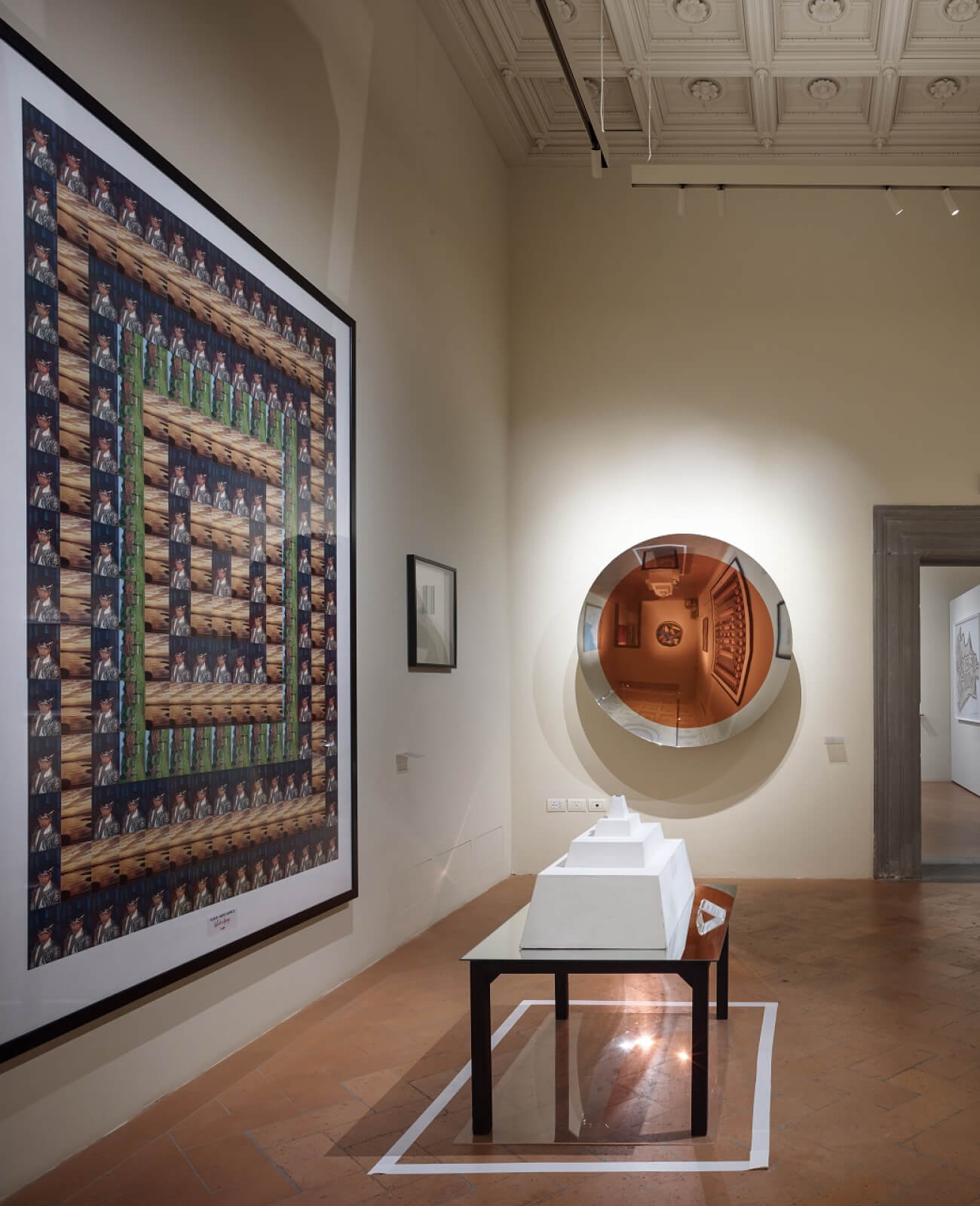
Just steps from Palazzo Strozzi, the piano nobile of the elegant Palazzo Bartolini Salimbeni houses one of the largest private collections of modern and contemporary art open to the public in Italy. Highlights include works by Jean-Michel Basquiat, Alighiero Boetti, and Salvador Dalí. The space was inaugurated in 2018 by the Florentine art dealer Roberto Casamonti.
Location: Piazza Santa Trinita, 1
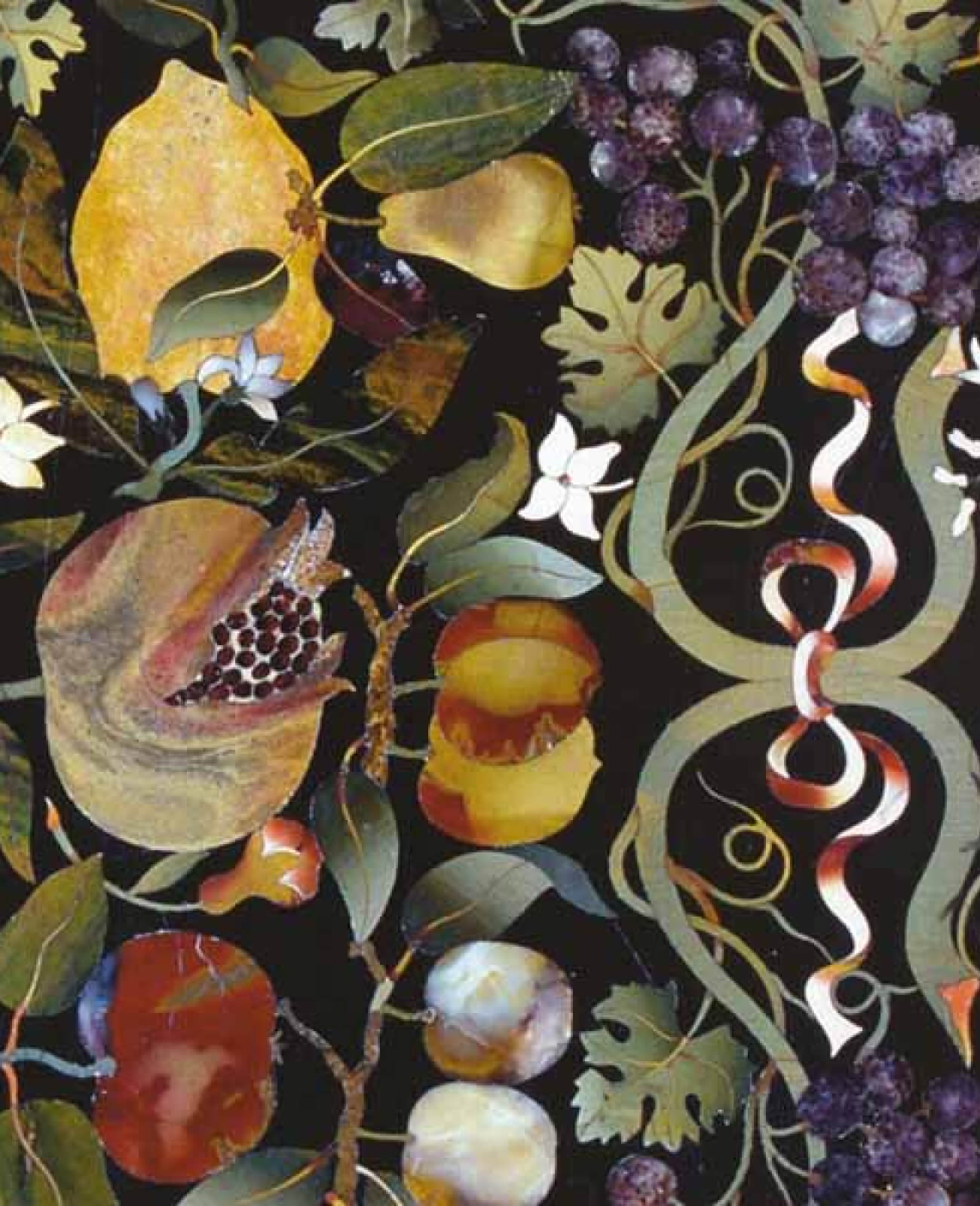
The decorative art of pietra dura is an inlay technique that uses coloured stones, meticulously cut, fitted, and polished to create intricate images. The Medici family’s passion for this art led Ferdinando I de’ Medici to establish a court workshop in 1588, dedicated to the production of these refined semi-precious stone mosaics. This original museum, which brings together three centuries of works produced in the Medici workshops, is a hidden gem located just steps from the Florence Cathedral. More than four centuries later, the institution continues its work and is recognised as one of Europe’s leading centres for art conservation and restoration.
Location: Via degli Alfani, 78
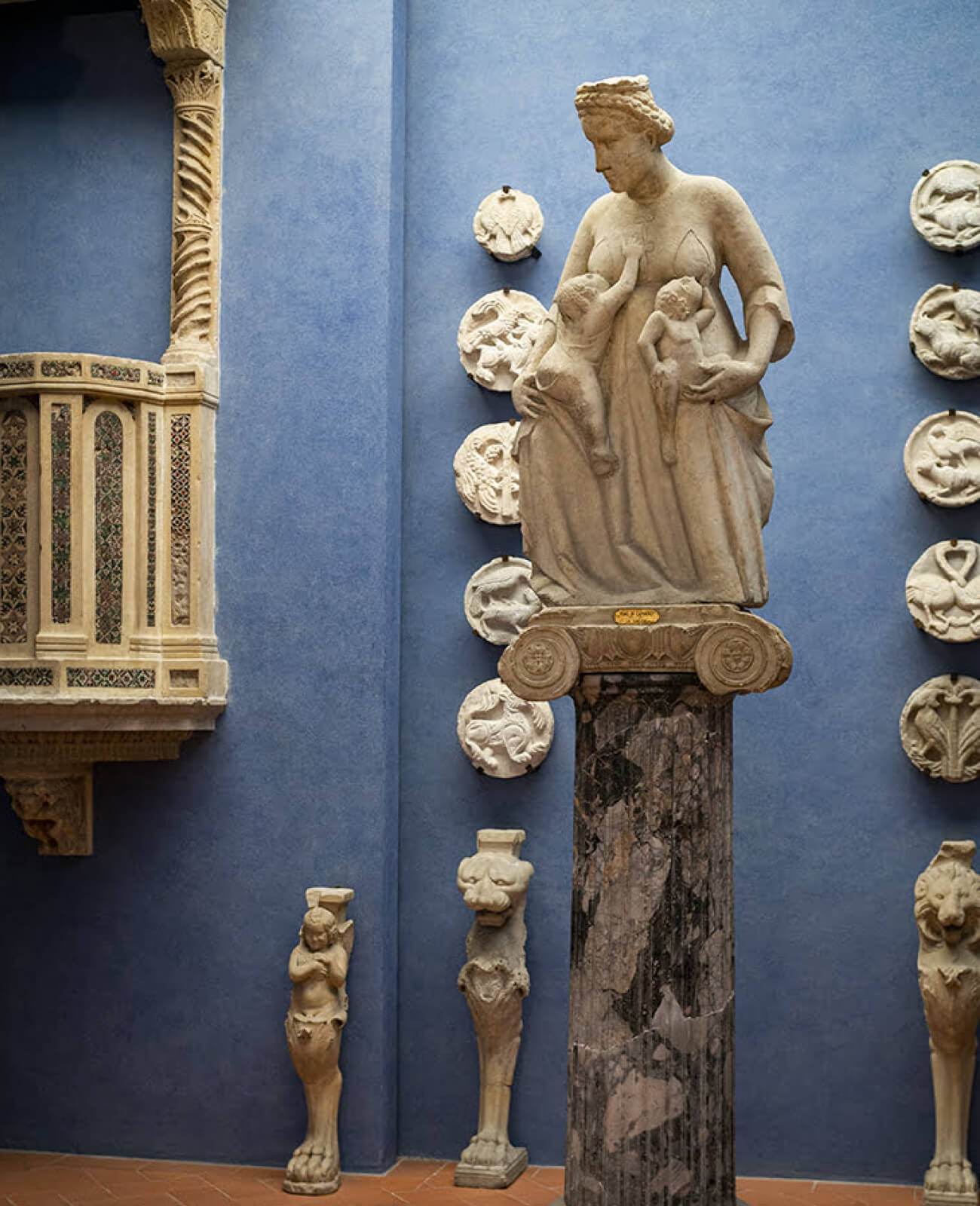
Created by the Florentine art dealer Stefano Bardini, this extraordinary museum houses more than 3,600 works of art, ranging from Roman antiquities and medieval sculptures to Renaissance paintings, furniture, arms, musical instruments, and architectural fragments. Displayed in the former showroom of the Prince of Antiquaries, the collection is renowned for its distinctive Bardini Blue walls, designed to enhance the beauty of the artworks. Highlights include masterpieces by Donatello, Pollaiolo, and the original bronze of Florence’s Porcellino.
Location: Via dei Renai 37
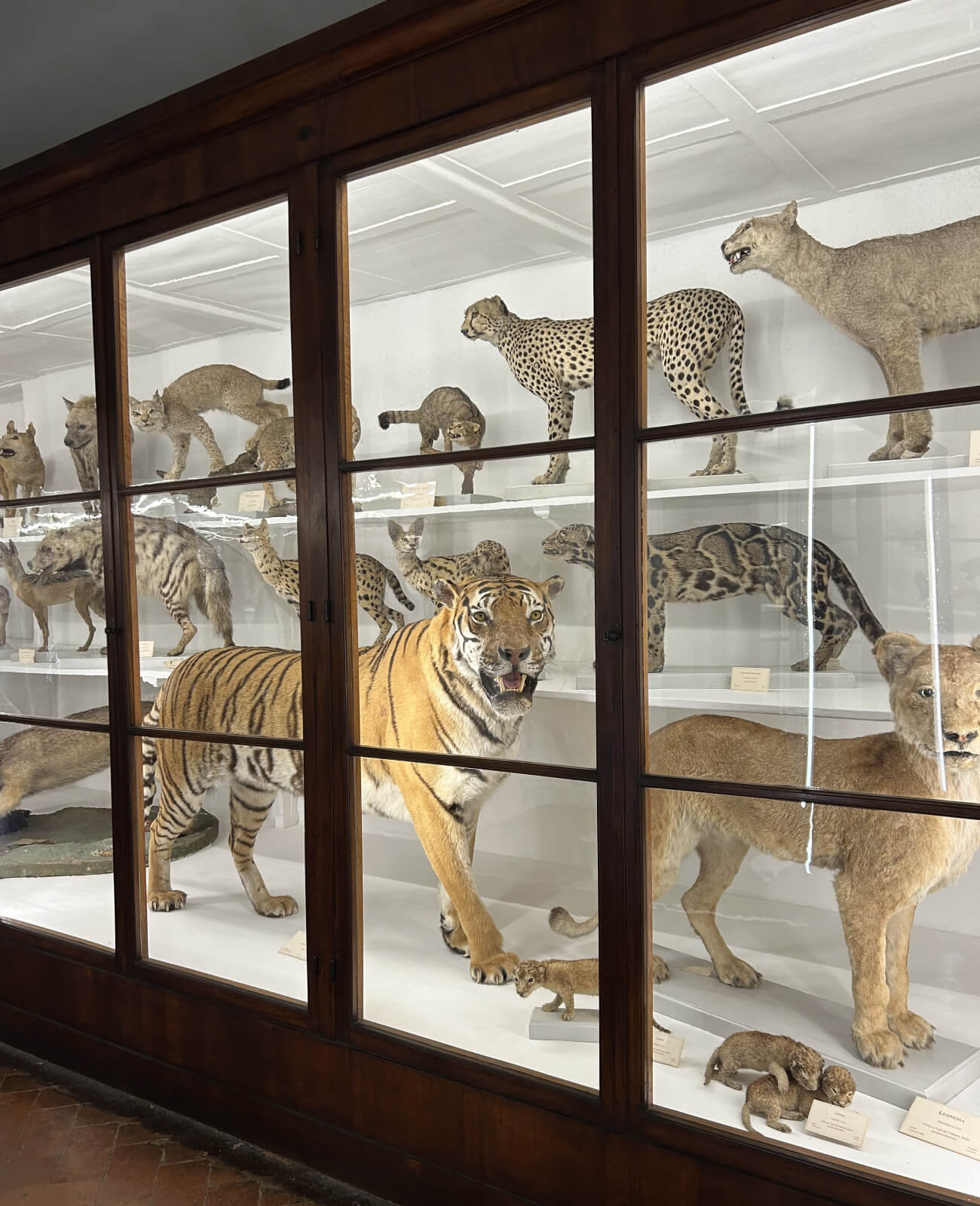
Founded in 1775, La Specola is one of Europe’s oldest scientific museums. Its collections include thousands of animals, minerals, and scientific instruments, many assembled by the Grand Dukes of Tuscany. The museum is best known for its extraordinary anatomical wax models, created in the 18th century to teach anatomy. Combining scientific precision with artistic craftsmanship, these remarkably lifelike sculptures make La Specola one of Florence’s most fascinating and unusual museums.
Location: Via dei Renai 37
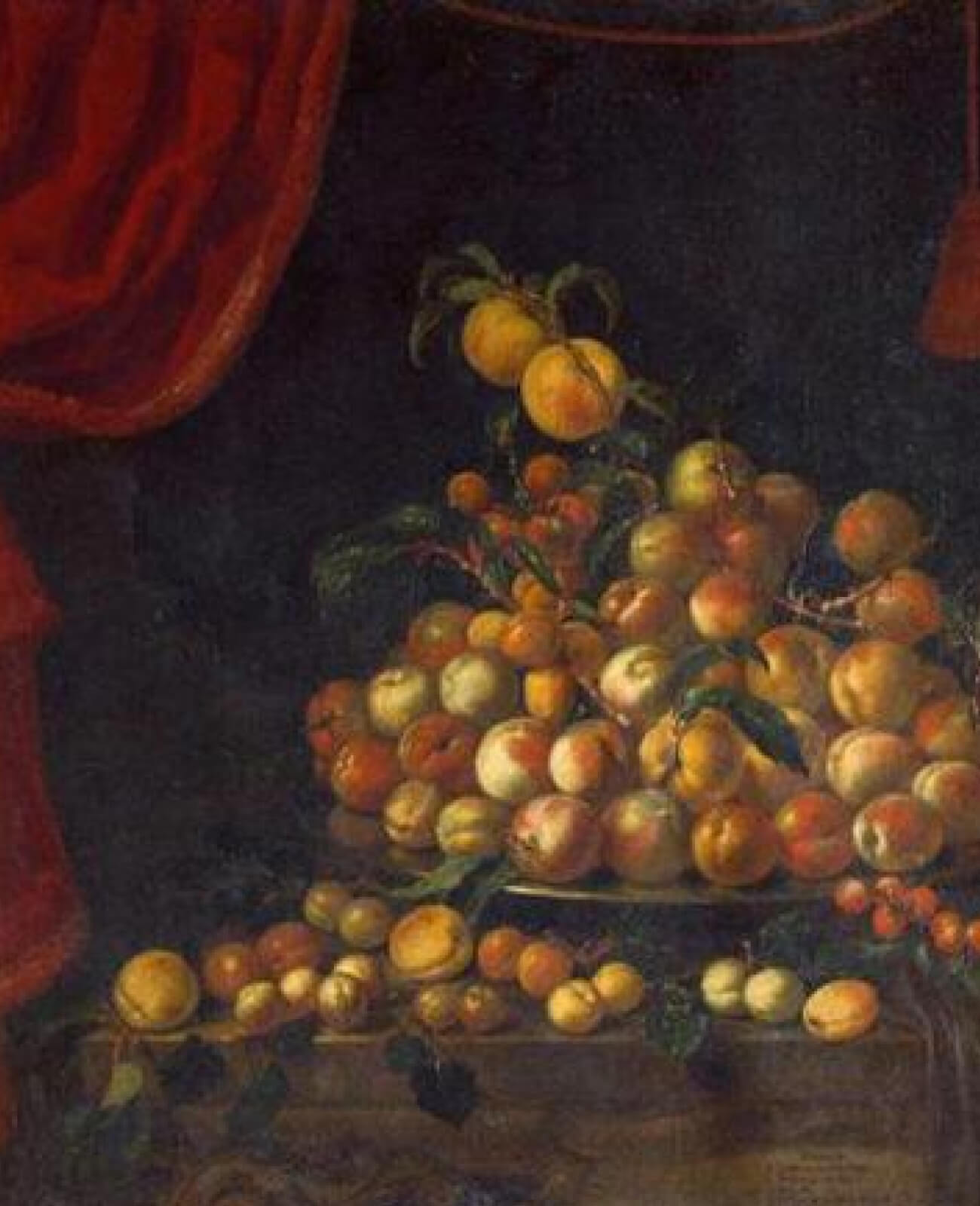
Listed as a UNESCO World Heritage Site, this Medici villa near Florence is home to one of the largest collections of still-life paintings assembled by the Medici family. Built for Lorenzo de’ Medici, known as Lorenzo the Magnificent, the villa was later refurbished by the House of Savoy, which used it as a country residence. In addition to the collection, visitors can admire the villa’s elegant interiors, explore its gardens, and beautiful limonaia.
Location: Piazza Medici 14, Poggio a Caiano