Florence Travel Guide
Florence has it all—from gastronomy and culture to craftsmanship and nature. We have brought together some of our favorite addresses in a city guide designed to be kept, shared and enriched with your own finds.
A SMALL GUIDE TO FLORENCE
Florence has it all—from gastronomy and culture to craftsmanship and nature. We have brought together some of our favorite addresses in a city guide designed to be kept, shared and enriched with your own finds. Read our insider guide to discover where to eat, shop, stay, and what to see when in the city.
A BRIEF HISTORY OF FLORENCE
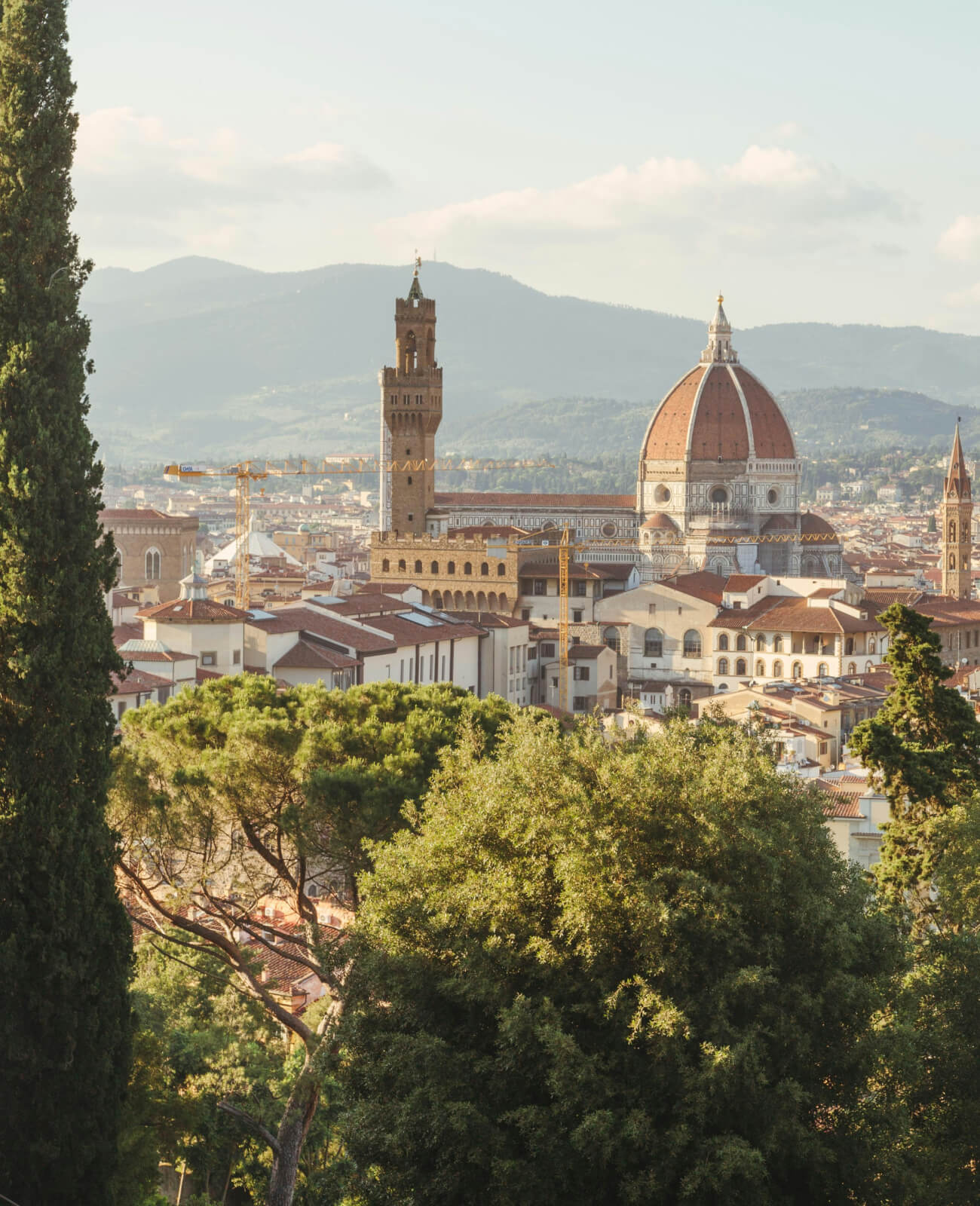
Birthplace of the Renaissance, Florence was founded by the Romans in 59 BC as a settlement for veteran soldiers, before becoming, over the centuries, an important cultural, economic, political, and artistic hub.
The Medici, who built their fortune as bankers to the Catholic Church and influential European families, ruled the city from 1434 to 1737, and contributed significantly to its development. Fervent patrons of the arts, they financed many of the painting, sculpture, and architectural projects that still define the city today, supporting artists such as Sandro Botticelli, Raphael, Fra Angelico, Filippo Brunelleschi, and Michelangelo.
Get lost in the city’s small cobbled streets, contemplate its colors and sneak into every open doors and gardens you will find along the way—you will notice that Florence has not lost anything of its splendor.
FLORENCE’S NEIGHBORHOODS
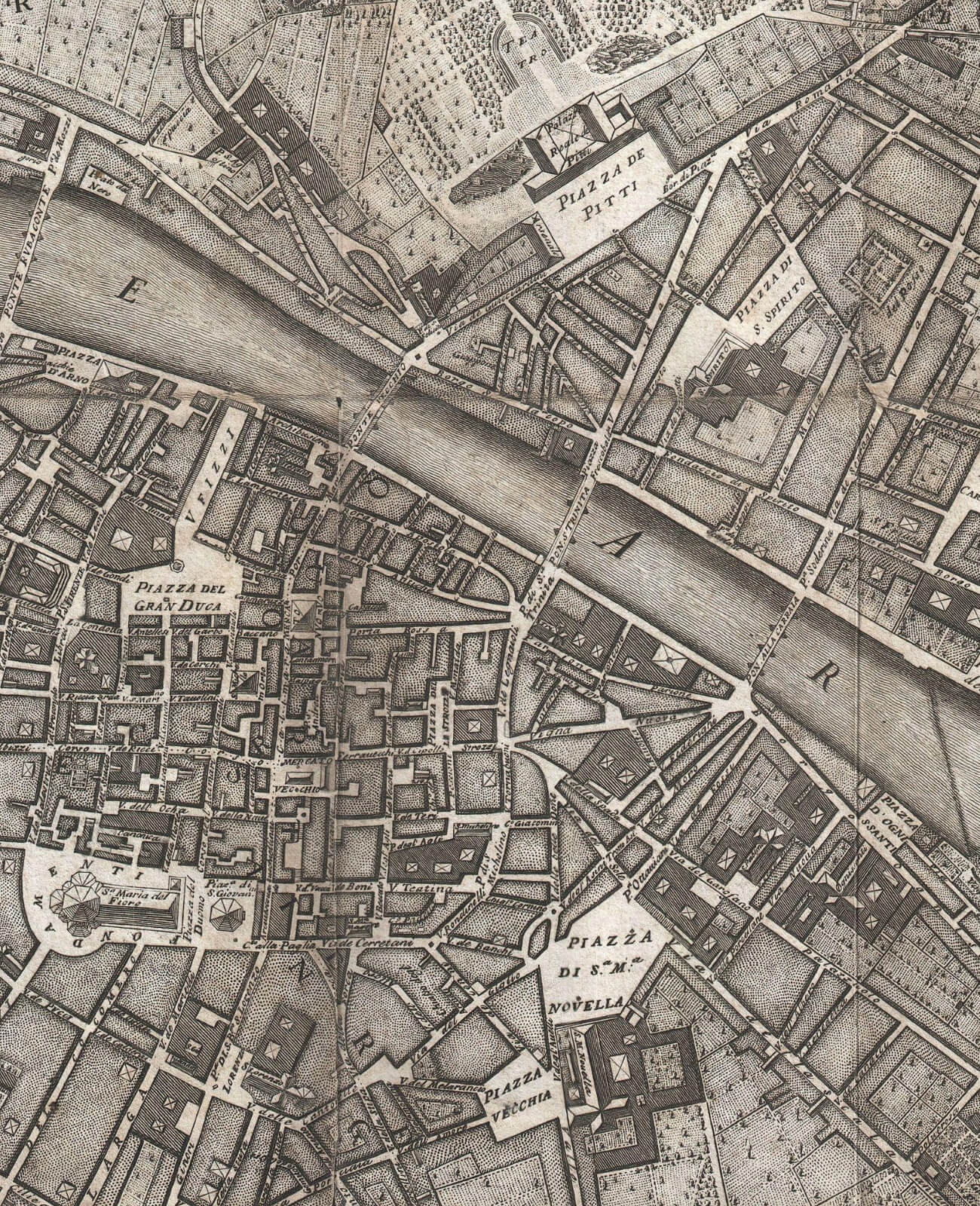
Florence historic center unfolds onto both sides of the Arno River into five main neighborhoods, each offering a distinct character and atmosphere.
The Oltrarno
Literally meaning the other side of the Arno, the Oltrarno encompasses the smaller areas of San Frediano, Santo Spirito and San Niccolò. Filled with antique dealers, local trattorias, artisan workshops and beautiful gardens, it is one of the most vibrant neighborhood where locals and visitors meet further from the crowds.
Duomo & Piazza Signoria
Anchored around the Cathedral of Santa Maria del Fiore, Piazza della Repubblica, the Uffizi Gallery and Palazzo Vecchio—this neighborhood concentrates some of the most famous landmarks of Florence within a short walk.
Santa Maria Novella
Characterized by its large square dominated by the Basilica of Santa Maria Novella, this neighborhood is a popular meeting point for travelers arriving from S.M Novella train station. Discover one of the world’s oldest pharmacies founded by Dominican friars in 1221—Officina S.M Novella—or wander around the art galleries and bookshops of via dei Fossi.
San Lorenzo & San Marco
Home to the Medici family Church and Chapels, San Lorenzo neighborhood is also known for its Mercato Centrale, a lively covered food market. A short walk away, San Marco houses the world’s most extensive collection of works by Fra Angelico within the old cloister where the artist has lived and worked.
Sant’Ambrogio & Santa Croce
Revived in the eighties by Fabio Picchi who opened his first restaurant Cibrèo in Sant’Ambrogio, the neighborhood is joyful and deeply authentic with its beautiful food market where locals meet daily. Nearby, Santa Croce dominated by its basilica hosts every year the Calcio Storico, a medieval precursor of football that is still played in the same square today.
WHERE TO EAT
From the traditional trattoria to the new Florentine food scene, here is our selection of local addresses to satisfy all your cravings. (*) Addresses within five minutes by feet from Hotel Palazzo Guadagni.
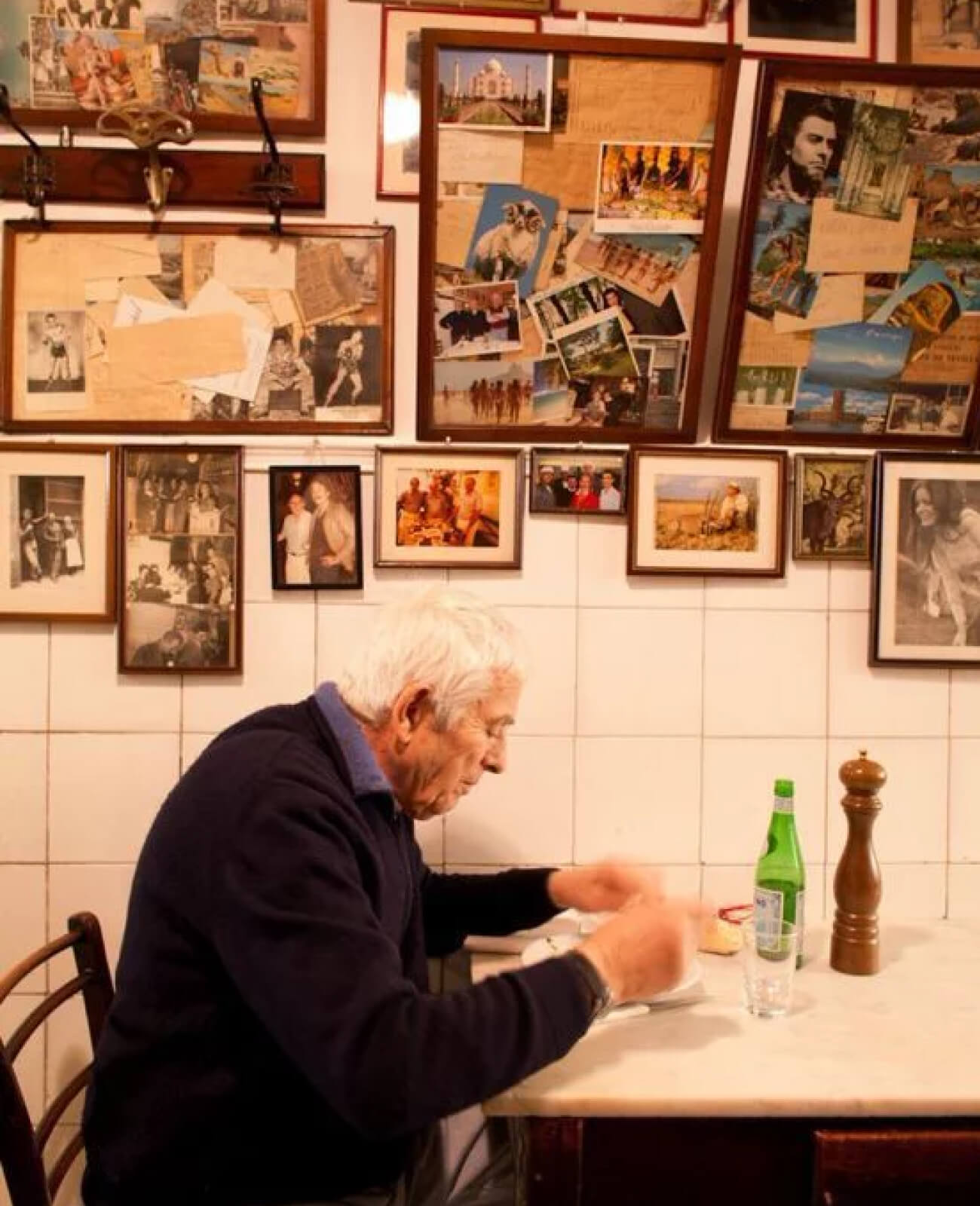
Trattoria Sostanza
A local institution since 1869. The tortino with artichokes and butter chicken are a must. But make sure to keep some space for their meringue cake with strawberries. Via del Porcellana, 25/R
Trattoria Cammillo*
This historical trattoria from 1945 excels in home-cooked tuscan specialities. Don’t miss the fried artichokes or zucchini flowers depending the season you’re visiting. Borgo San Iacopo, 75/R
Il Santo Bevitore*
A vibrant atmosphere with an imaginative menu and extensive wine list. The restaurant, simple yet elegant, is set in an old coach house. Via Santo Spirito, 64/R
Vini e Vecchi Sapori
Located in a small alley behind Piazza della Signoria, this family-run osteria makes excellent pappardelle with duck ragù and paccheri with zucchini flowers. Via dei Magazzini, 3/R
Trattoria da Ruggiero
Just outside the historic walls of Porta Romana, this locals’ favorites serves traditional Tuscan plates. Their pappa al pomodoro is a must. Via Senese, 89/R
Alla Vecchia Bettola
They are at the origins of the pasta alla vodka recipe, often imitated but never equaled. Expect a lively dinner with shared tables and a joyful hubbub. Viale Vasco Pratolini, 3
Enoteca Spontanea*
Run by siblings Nicola and Irene, this intimate enoteca offers a fine selection of natural wines and tuscan plates to pair them with. Via Maggio, 61/R
Loggia Roof Bar*
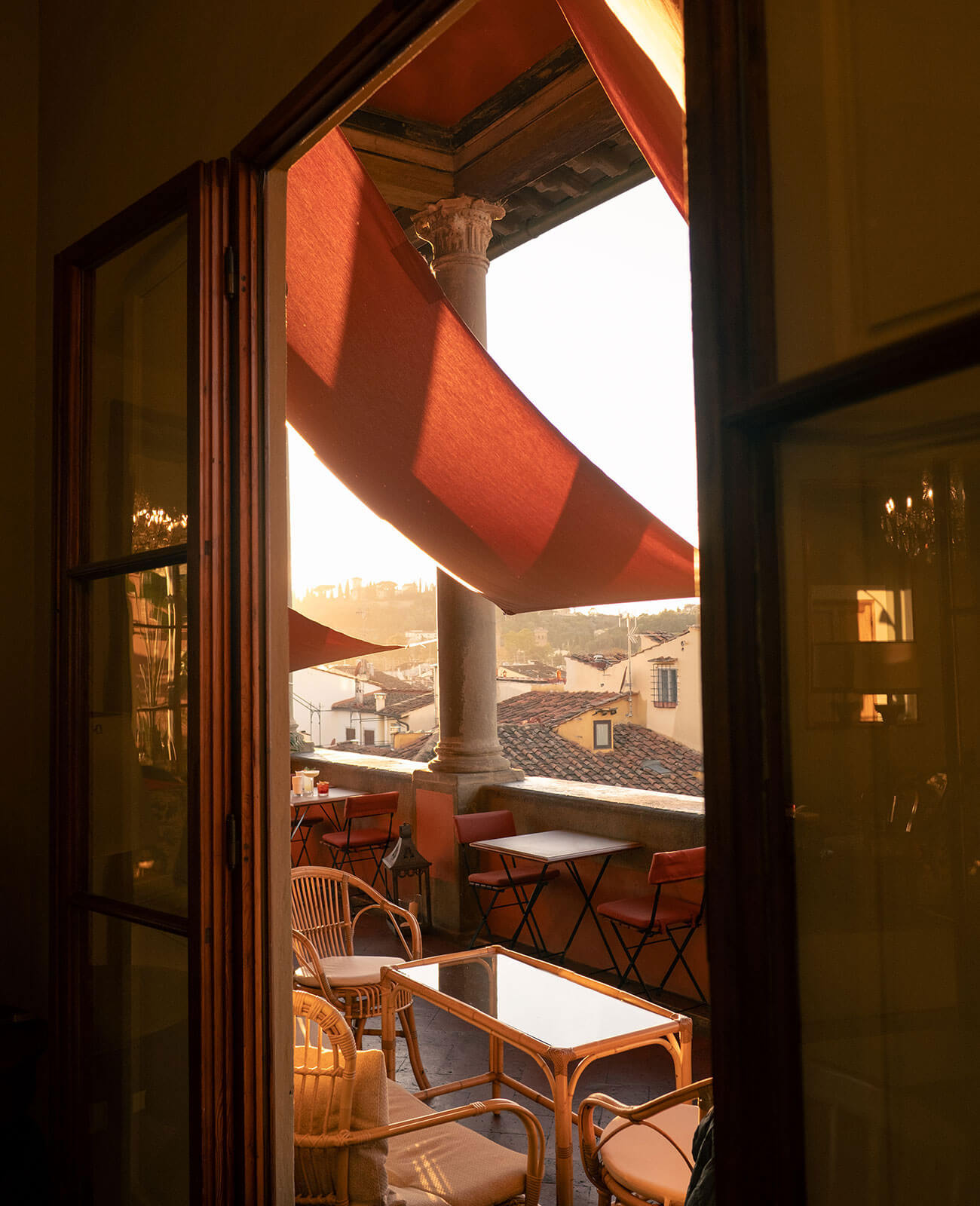
The panoramic terrace of Hotel Palazzo Guadagni welcomes external guests for a relaxed lunch, an aperitivo or a light dinner, with stunning views over the city. Piazza Santo Spirito, 9
Dalla Lola*
This trattoria of Santo Spirito was revived by Matilde who brought a twist to traditional Tuscan cuisine. Try the gnocchi al miso and her delicious homemade desserts. Via della Chiesa, 16/R
Cibrèo Ristorante
A Florentine institution started by Fabio Picchi in 1979. For a less formal experience try the Cibrèo Caffè, Teatro del Sale or Ciblèo, his latest address reinterpreting Asian cuisine with Tuscan ingredients. Via Andrea del Verrocchio, 8/R
5ecinque*
A cosy vegetarian restaurant with a seasonal menu inspired by Tuscan and Ligurian cuisine. Piazza della Passera, 1
Trattoria Sergio Gozzi
Only open for lunch, this family-run restaurant is a local’s favorite since 1915 in San Lorenzo neighborhood. Piazza San Lorenzo, 8/R
Cucina
Opened by two former architects, Cucina offers an original alternative to the traditional Florentine trattorias with a seasonal menu updated according to daily arrivals. Via Giano della Bella, 3
Buca Lapi
Established in Palazzo Antinori cellars in 1880, Buca Lapi is known for its Bistecca alla Fiorentina. Enjoy it with roasted potatoes, spinaches and a good glass of Italian red wine. Via del Trebbio, 1R
Il Magazzino*
An authentic osteria on Piazza della Passera specializing in lampredotto, Florentine-style tripes and typical Tuscan dishes. They also have a great chocolate cake. Piazza della Passera, 2
Enoteca Pitti Gola e Cantina*
This intimate enoteca with a small terrace on Piazza Pitti has a curated wine list and nice pairing menus. Their second restaurant Osteria dell’Enoteca a few steps from their first address, is a great option for the Bistecca alla Fiorentina. Piazza de Pitti, 16R
Sant’Ambrogio Market
Where locals stock up on fresh food and flowers everyday. Get a creative panino at Semel with a small glass of wine “gottino” or try a lampredotto at Pollini if you’re in search of true local flavors. Piazza Lorenzo Ghiberti
La Sorbettiera*
Florence has many great options for gelato, but La Sorbettiera is definitely a favorite with their seasonal sorbets and catrame chocolate. Via Mazzetta, 9A
WHAT TO SEE
While the Uffizi, the Duomo of Florence and Palazzo Pitti are non-negotiables stops, here are a few other museums and places, sometimes off the map, that you should see when in Florence.
Bargello National Museum
The former medieval prison was converted into a national museum in 1865. Some say that the Bargello is to sculpture what the Uffizi is to painting, making it one of the most important museums in Florence for Renaissance art. Via del Proconsolo, 4
La Specola
Founded in 1775, this is one of Europe’s oldest scientific museums and a fascinating destination for visitors interested in natural history. It houses an extraordinary collection of minerals, zoological specimens, botanical collections, and anatomical wax models, created in the 18th century for medical education. Via Romana, 17
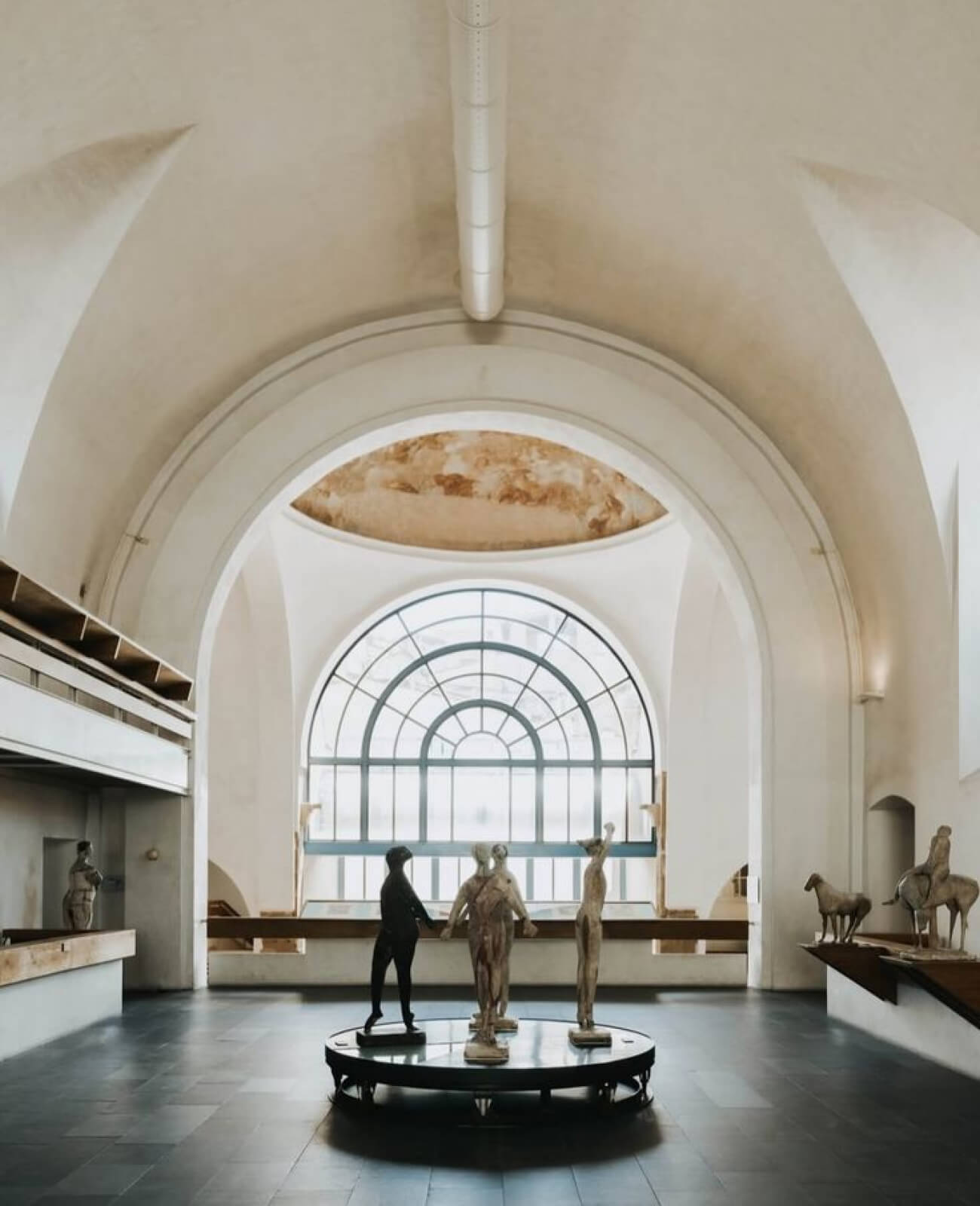
Marino Marini Museum
The deconsecrated church of San Pancrazio has been transformed into a museum dedicated to the Tuscan sculptor Marino Marini. Do not miss the beautiful Rucellai Chapel which can be accessed through the museum entrance. Piazza di S. Pancrazio
San Miniato al Monte
Perched atop one of the highest points in Florence, San Miniato al Monte is one of the most scenic churches in Italy. Its magnificent Romanesque architecture and panoramic views make it well worth the climb. Via delle Porte Sante, 34
Brancacci Chapel
Often referred to as the Sistine Chapel of the Early Renaissance for its celebrated fresco cycle depicting the life of Saint Peter, the Brancacci Chapel is located within the Church and Convent of Santa Maria del Carmine. Piazza del Carmine, 14
Museo Opificio delle Pietre Dure
The decorative art of pietra dura is an inlay technique that uses colored stones cut, fitted, and polished to create intricate images. Dedicated to this historic Florentine craft, the museum houses a remarkable collection that was begun by the Medici family. Via degli Alfani, 78
Stefano Bardini Museum
Steps away from Villa Bardini, this small museum was once the showroom of the antiquarian Stefano Bardini. Paintings, sculptures, and furniture that he donated to the city of Florence are beautifully displayed against the museum’s iconic blue walls. Via dei Renai, 37
Orsanmichele
This unique Gothic building, originally built in the Middle Ages to house the city’s grain market, was later transformed into a church and museum. Its upper floors offer stunning views of the city. Via dell’Arte della Lana
The Bardini Gardens
A well-known Italian proverb says that Italy is the garden of Europe, Tuscany the garden of Italy and Florence the flower of Tuscany. The Bardini Gardens beautifully illustrate this saying. Costa S. Giorgio, 2
Casa Martelli
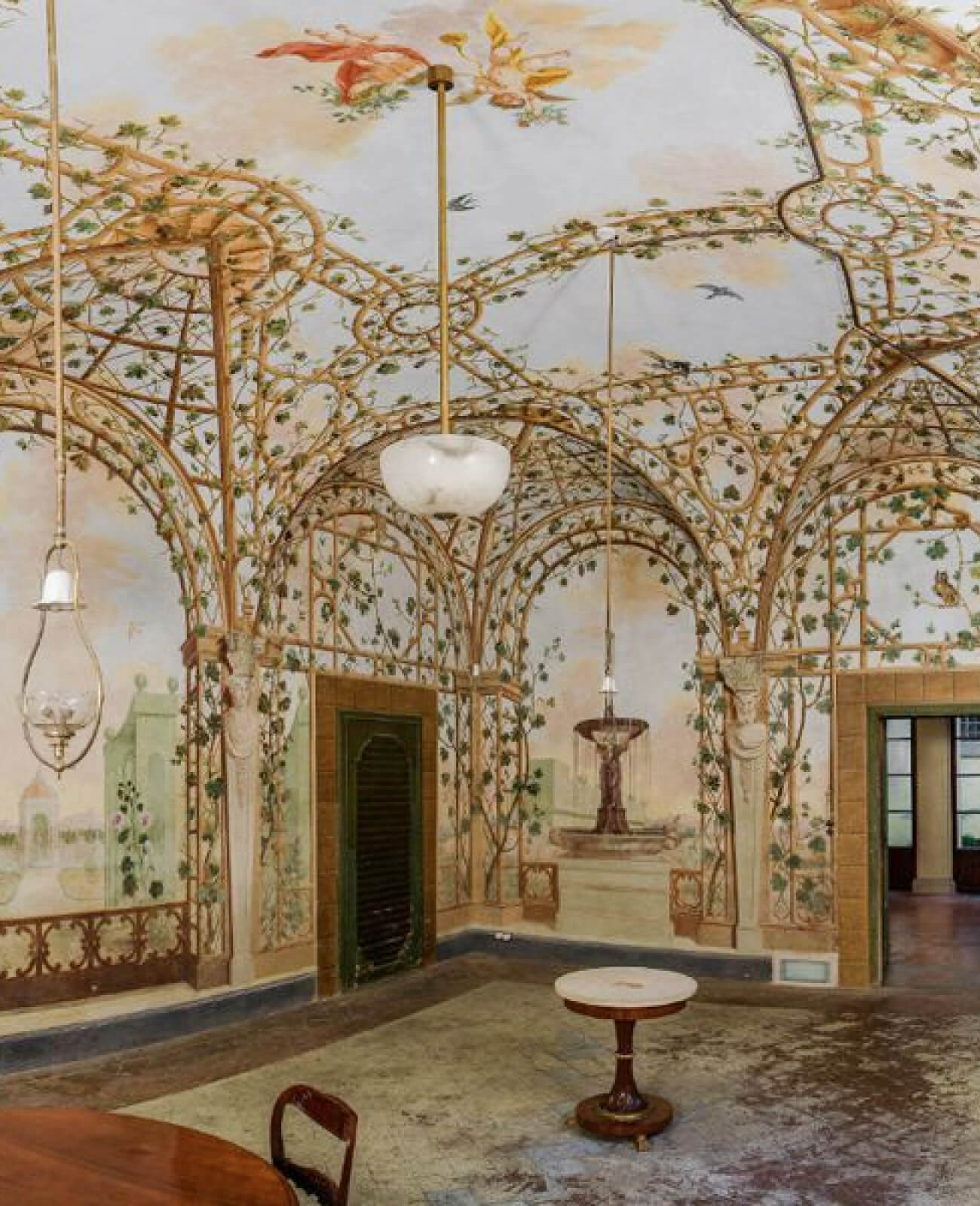
Home to the noble Martelli family for centuries, this beautiful palazzo in the heart of Florence was acquired by the Italian State in 1998. The house can be visited twice a week, offering the chance to admire its remarkable collection of paintings and its elegant rooms decorated with trompe-l’œil frescoes. Via Ferdinando Zannetti, 8
Museo Stibbert
When the British Nobleman Frederick Stibbert inherited his grand-father’s villa in the Florentine hills, he dedicated the rest of his life to collecting art and antiques, transforming his home into a museum that he donated to the city of Florence upon his death. It hosts the largest collection of Japanese armors outside of Japan. Via Federico Stibbert, 26
San Marco Museum
This former 15th century Dominican convent hosts the world’s largest collection of works by the Renaissance master Fra Angelico. Piazza San Marco 3
Palazzo Strozzi
Located in the Renaissance palace commissioned by the Strozzi family, eternal rivals of the Medici, the cultural foundation has brought to Florence various contemporary artists since its inception in 2006, such Ai Weiwei, Anish Kapoor and Mark Rothko. Piazza degli Strozzi
The Medici Chapels
Stunning chapels dedicated to the Medici family, featuring architectural and sculptural masterpieces by Michelangelo. Piazza di Madonna degli Aldobrandini, 6
WHERE TO SHOP
If you still have space in your luggage, this is where you should go for unique souvenirs and gifts from Florence.
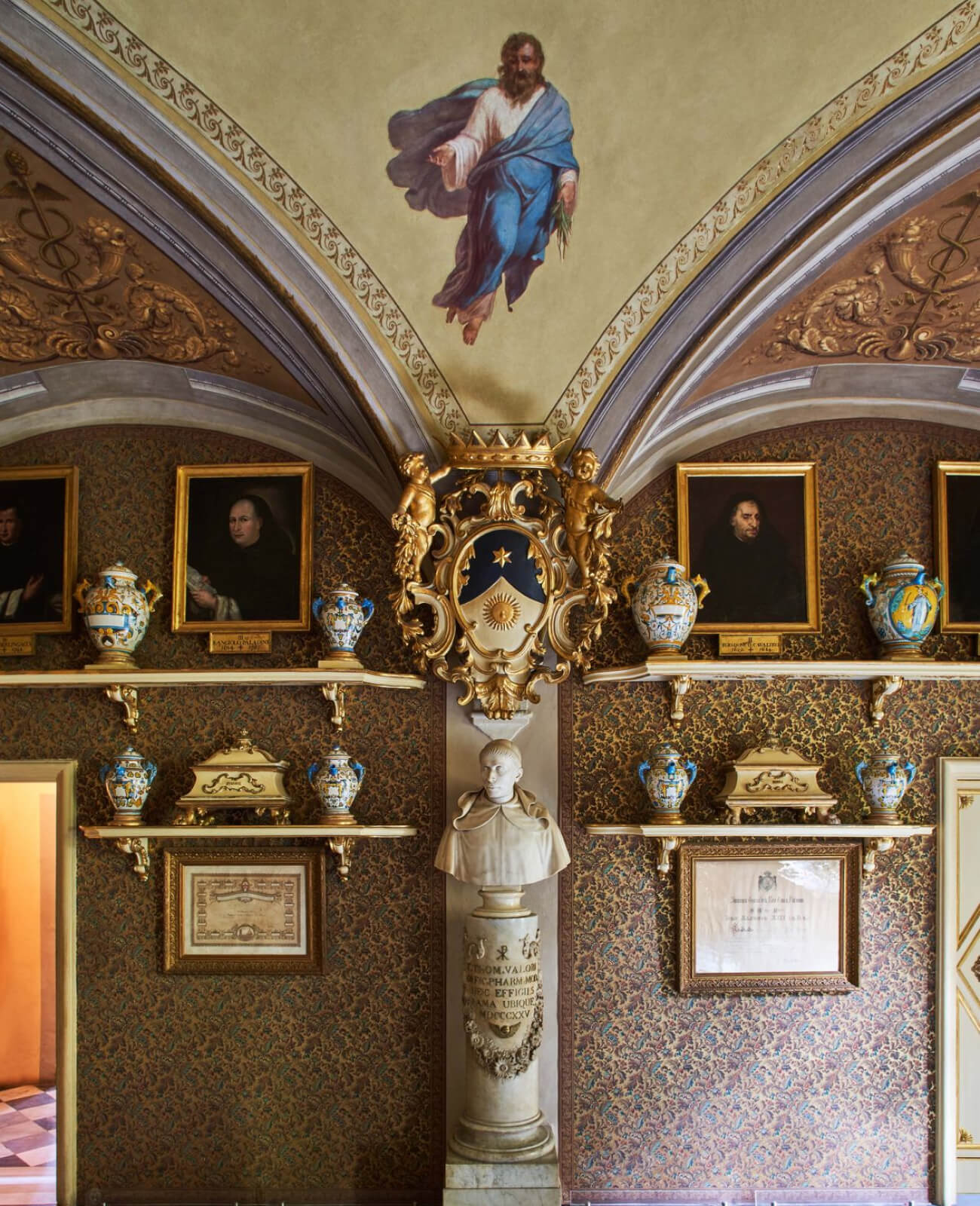
Pegna 1860
This small grocery and household goods shop near the Duomo is a gourmet institution in Florence since 1860. You will find regional products and world delicacies beautifully displayed within a vintage setting. Via dello Studio 26/R
Officina Santa Maria Novella
Founded over 600 years ago, this historic pharmacy is renowned for its distinctive fragrances and artisanal products. You might get addicted to their terracotta pomegranate. Via della Scala, 16
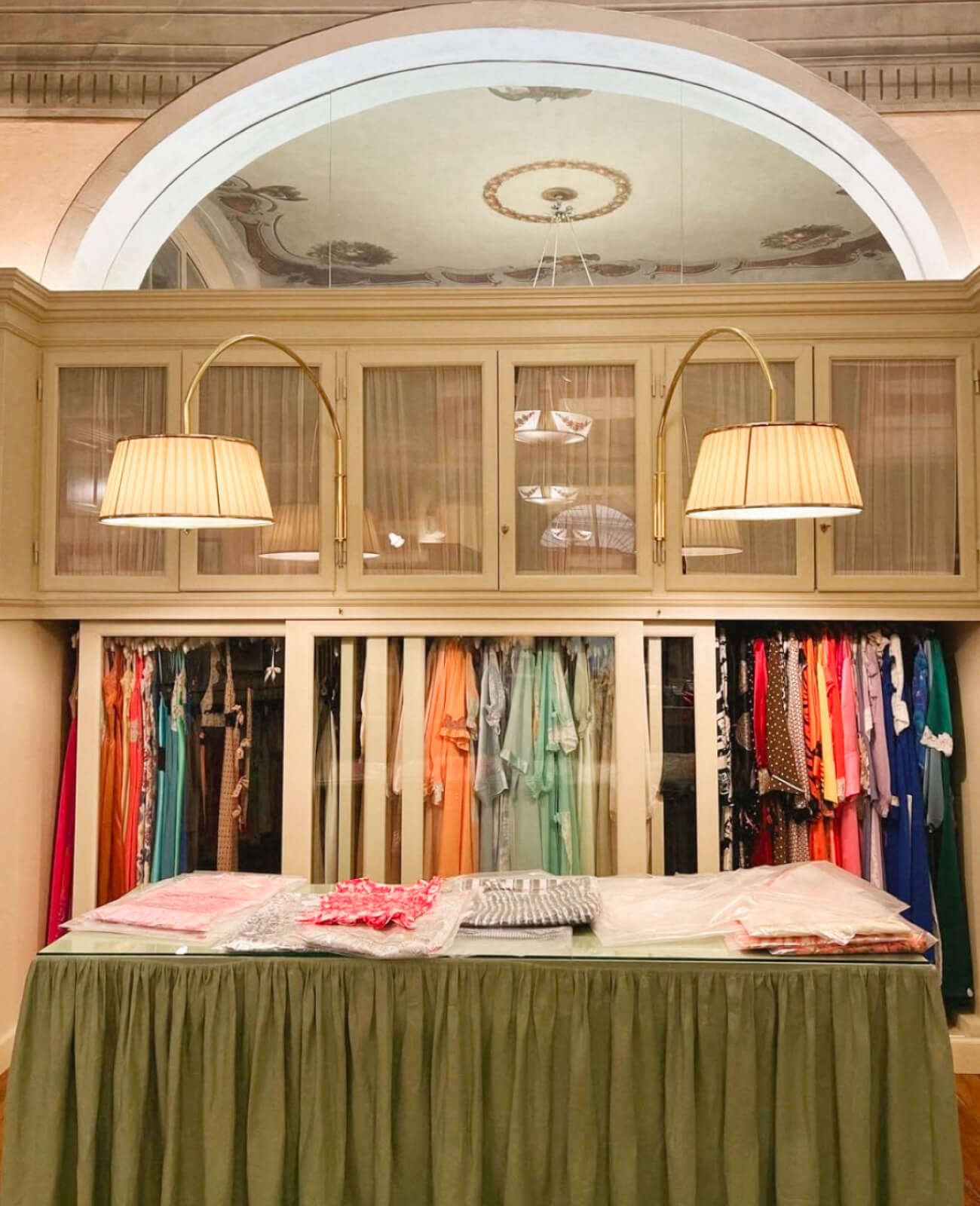
Loretta Caponi
Since 1967, Loretta Caponi has been producing hand-embroidered garments and linens for prestigious clients from the Kennedys to the British Royal family. The store is an experience in itself with its frescoes and winter garden. Via delle Belle Donne, 28/R
Richard Ginori
Founded in 1735, Ginori is one of Italy’s most prestigious porcelain manufacturers. Their boutique showcases elegant tableware, decorative objects, and iconic collections that blend centuries of craftsmanship with contemporary design. Via dei Rondinelli, 17
Angela Caputi
Original jewelry designed by the Florentine artist in her workshop near Ponte Santa Trinita. Her collections are a perfect blend of Fashion and Art. Via Santo Spirito 58R
Recollection by Albrici
Florence is home to many excellent vintage stores, and Recollection by Albrici is one of the most atmospheric. Its beautifully interiors and carefully selected collection of clothing and accessories make it a destination in its own right. Via dei Serragli, 22R
Giunti Odeon
Located in the historical Art Deco cinema of Florence inaugurated in 1922, this unique space was recently transformed into a cinema-library offering an extensive selection of books along with an international cinematographic and cultural program. Piazza degli Strozzi
Todo Modo
An independant bookstore offering a selection of over 20,000 titles from literature to travel and architecture. It also has a small enoteca-bistrot as well as a reading space regularly hosting cultural events. Via dei Fossi, 15R
Studioteca Emporio
This Florentine concept store offers a curated selection of stationary, homeware and bathing products. An original address for gifting. Via dei Fossi, 42R
La Via del Té
Founded in 1961 by a Florentine family, this tea house has a great selection of teas and infusions from the world. Via Santo Spirito, 11
WHERE TO STAY
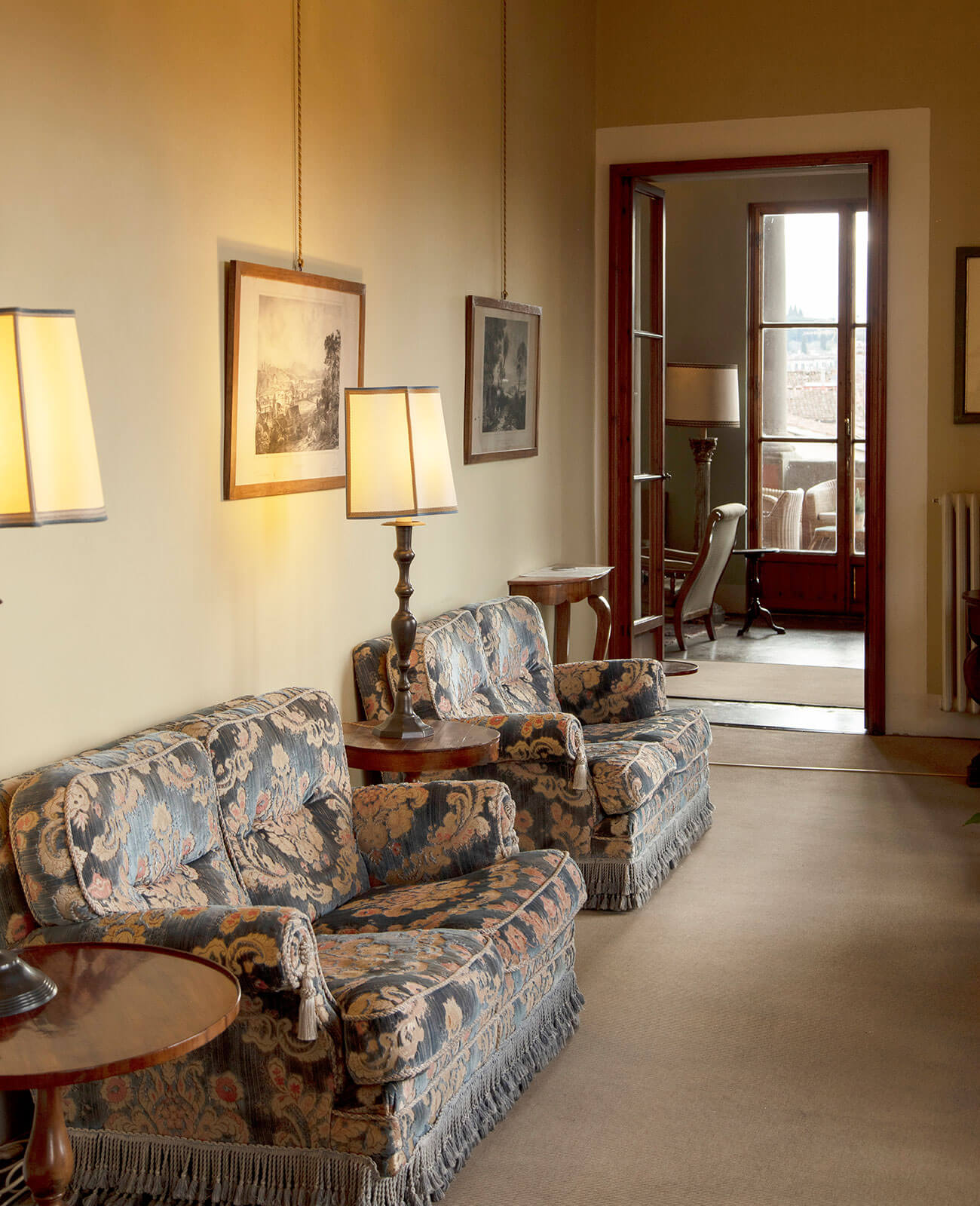
Hotel Palazzo Guadagni
Housed in an iconic Renaissance palazzo on Piazza Santo Spirito, Hotel Palazzo Guadagni and its splendid Loggia terrace offer guests an authentic window onto Florence, just steps from the Ponte Vecchio, Palazzo Pitti, and the Boboli Gardens.
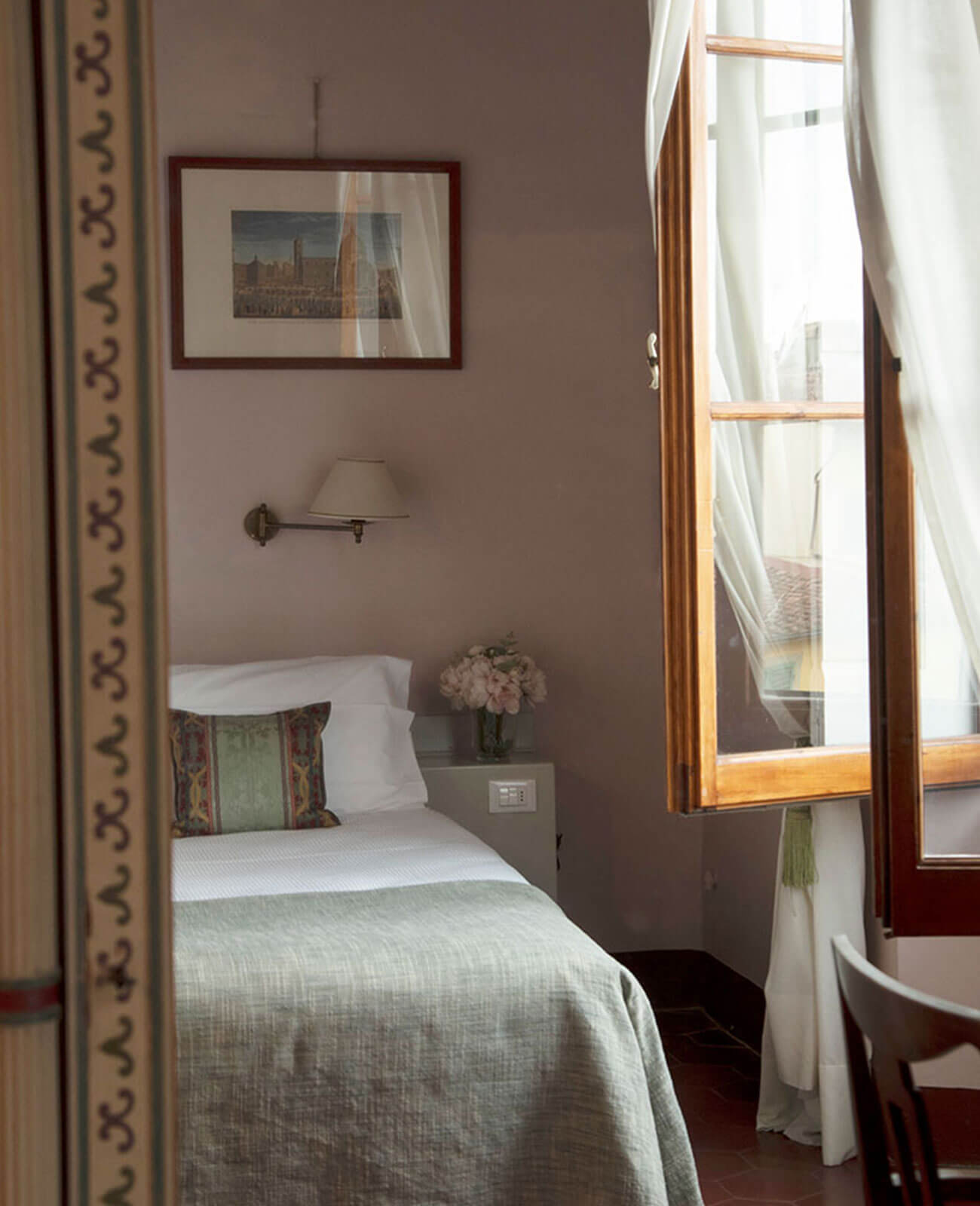
Built in the 16th century for a silk merchant, Palazzo Guadagni preserves the atmosphere and charm of a private Florentine residence. Each of our rooms has its own distinct character, featuring frescoed ceilings, fireplaces, and beautiful views of the city and its landmarks, making every stay unique.
POSTCARDS FROM FLORENCE
Subscribe to receive our city guide and newsletters from Florence.