THE PALAZZO
A RENAISSANCE PALACE WITH OVER 500 YEARS OF HISTORY
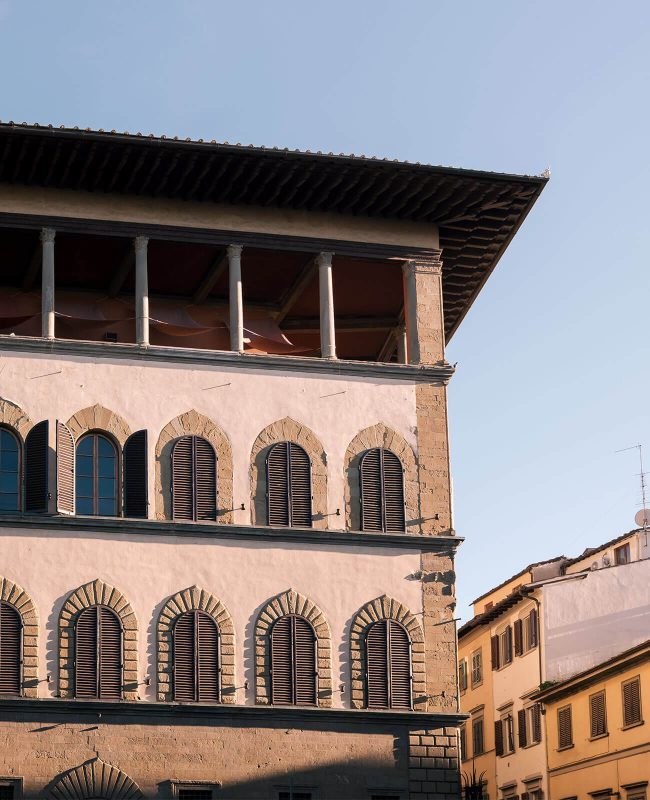
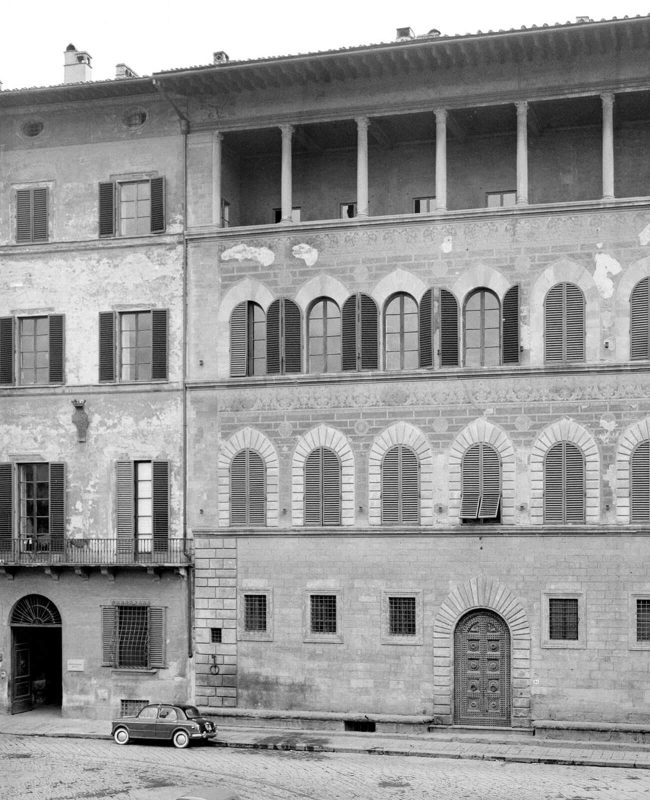
Hotel Palazzo Guadagni is located within a private Florentine palazzo from the 16th century. Built by the architect Simone del Pollaiolo for the wealthy silk merchant Riniero di Bernardo Dei, it is one of the most picturesque landmark in the city and a symbol of the Renaissance architecture. Over the centuries, Palazzo Guadagni has been home to noble families, politicians, and artists, who were drawn to its privileged location overlooking Santo Spirito Square and its proximity to Palazzo Pitti, the seat of power at the time. Sensitively restored into a charming hotel, the historic palace now welcomes travelers and locals alike in search of an authentic Florentine experience in the heart of the city.
DISCOVER THE STORY OF THE PALAZZO THROUGH THE CENTURIES
1505
The Birth of a Renaissance Palace
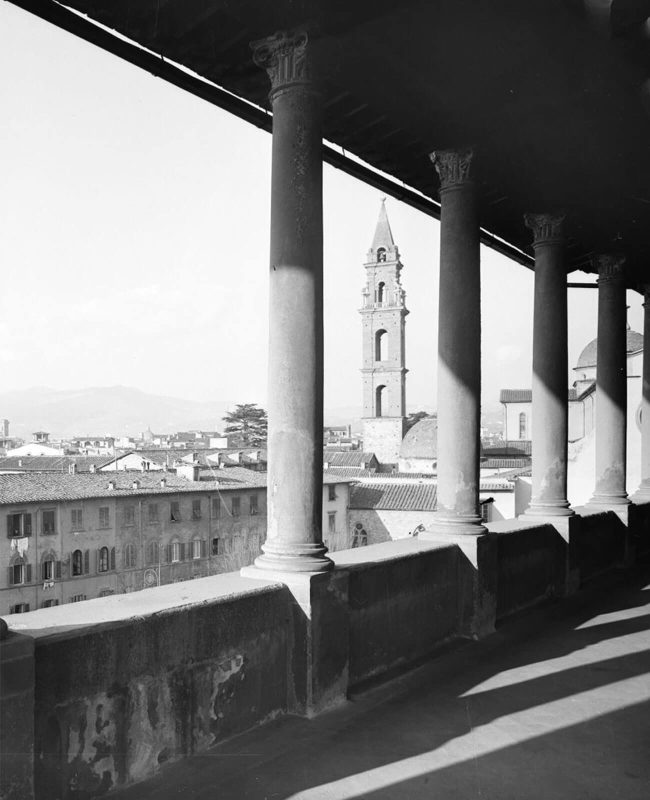
Commissioned by the influential silk merchant Riniero di Bernardo Dei, the construction of the palazzo was entrusted to Florentine architect Simone del Pollaiolo, renowned for his work on the arched courtyard of Palazzo Strozzi. Completed around 1505, Palazzo Guadagni stands as a symbol of Renaissance architecture, distinguished by its harmonious façades and its elegant loggia adorned with columns. The Loggia terrace of Palazzo Guadagni, the first of its kind built in the city, went on to inspire many other aristocratic residence of the same period in Florence and Rome.

1683
Acquisition by the Guadagni Family
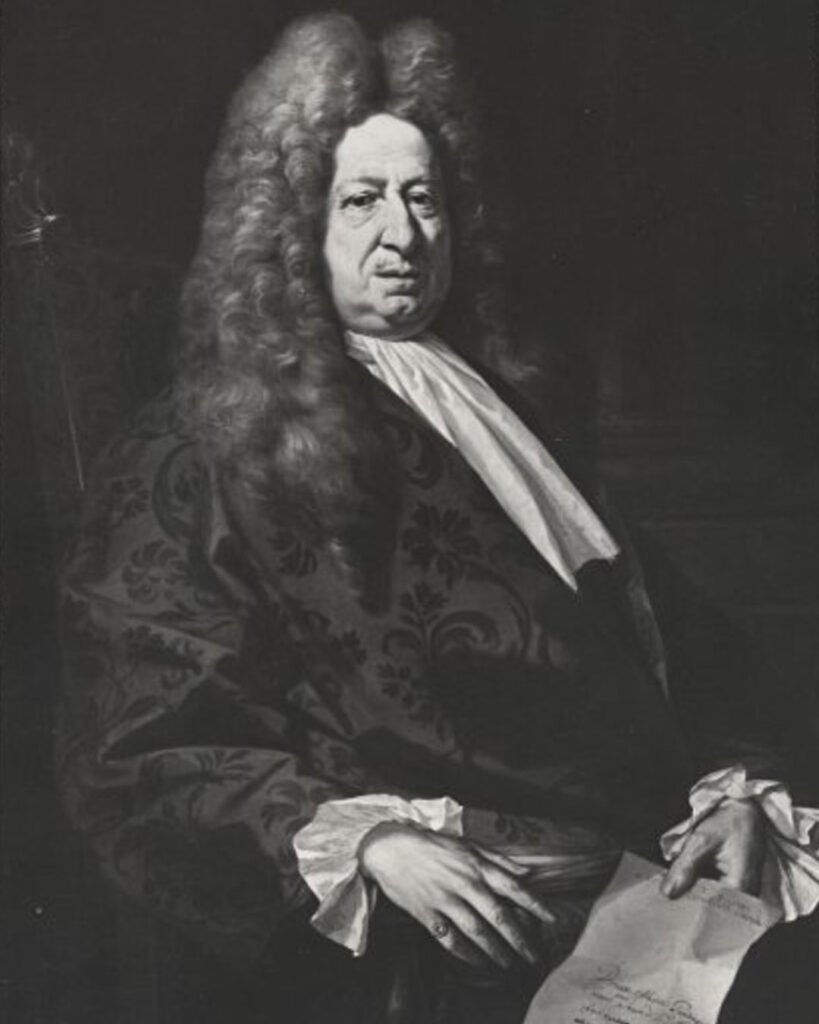
In 1683, the last heir of the Dei family donated the palace to the charitable institution Buonomini di San Martino, which sold it the following year to the Florentine nobleman Donato Maria Guadagni. From that moment on, the Guadagni name became permanently associated with the palace, which still bears the family’s name today.
1845/1870
19th-Century Renovations
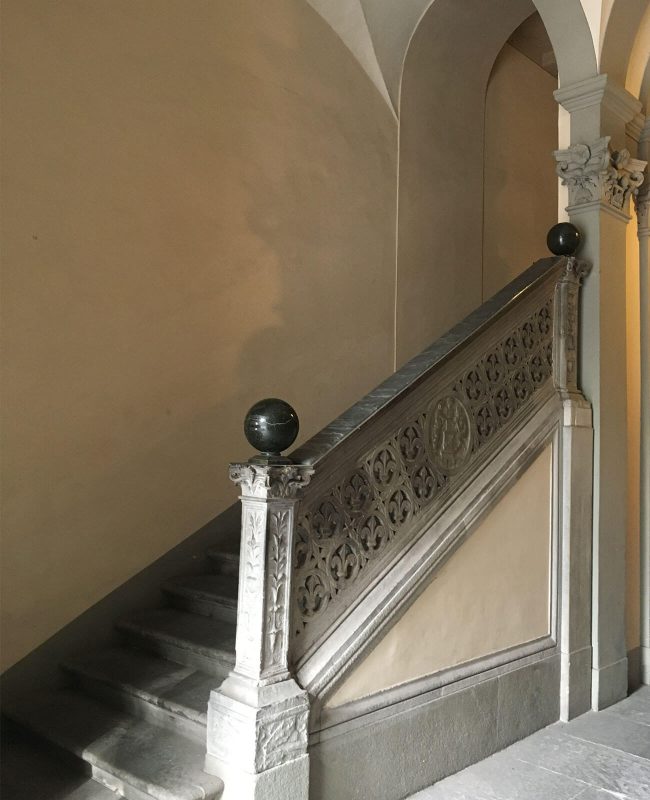
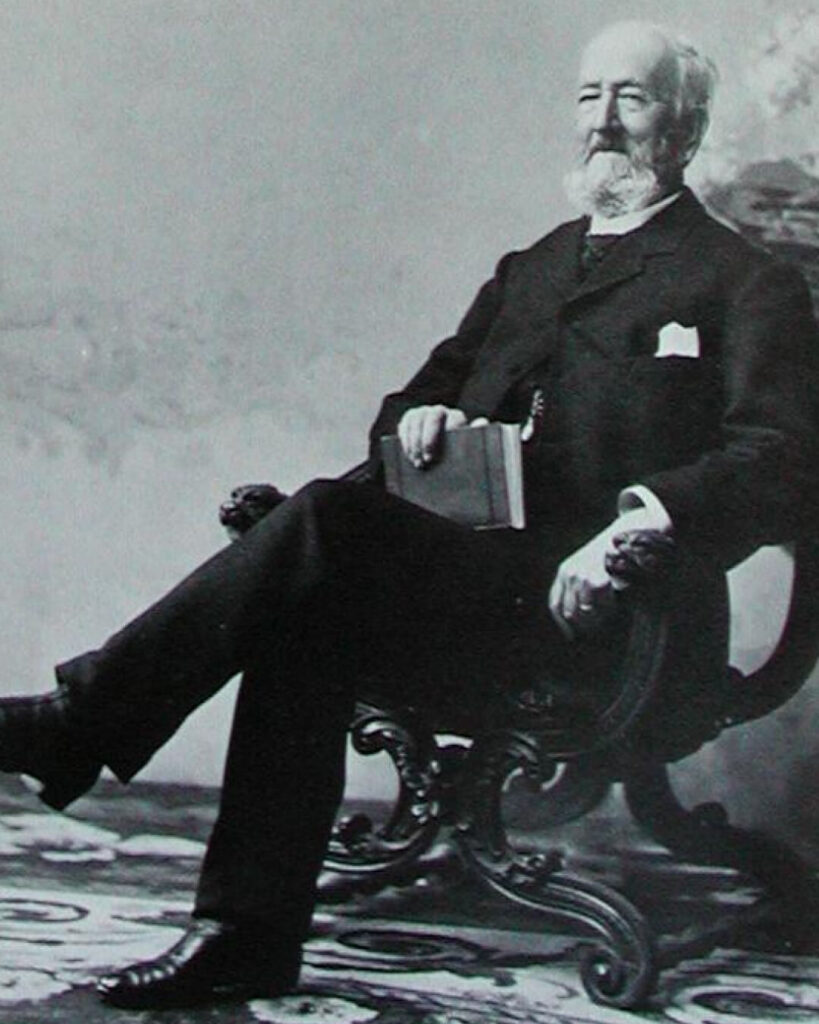
In the mid-19th century, the Guadagni family undertook a series of renovations under the direction of architect Giuseppe Poggi. These works modernized access to the palace with the creation of a carriage entrance and connected the building to the adjacent house, where the hotel’s main entrance is located today. Giuseppe Poggi has been one of the architect who most influenced the face of Florence today, since the time Giorgio Vasari and Bernardo Buontalenti.
1865
Home to Influential Figures
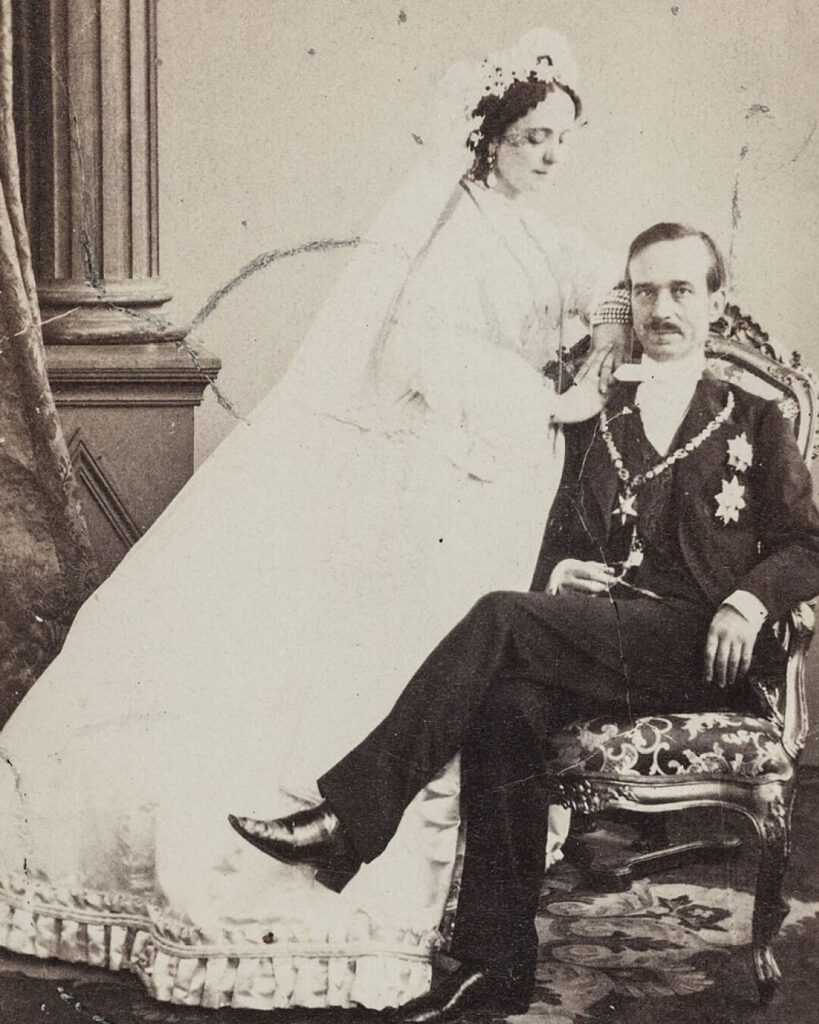
Over the years, the property was rented to various prominent figures, including the American art collector James Jackson Jarves and leading Italian statesman Urbano Rattazzi. Twice Prime Minister of Italy, Rattazzi lived at Palazzo Guadagni with his wife, Marie Bonaparte Wyse, when Florence briefly served as the capital of Italy between 1865 and 1870. Marie Bonaparte Wyse was the niece of Napoleon Bonaparte and a remarkable figure of 19th-century European intellectual life: a poet, salonnière, feminist thinker, and cosmopolitan aristocrat.
1912/1964
A destination for Art and Culture
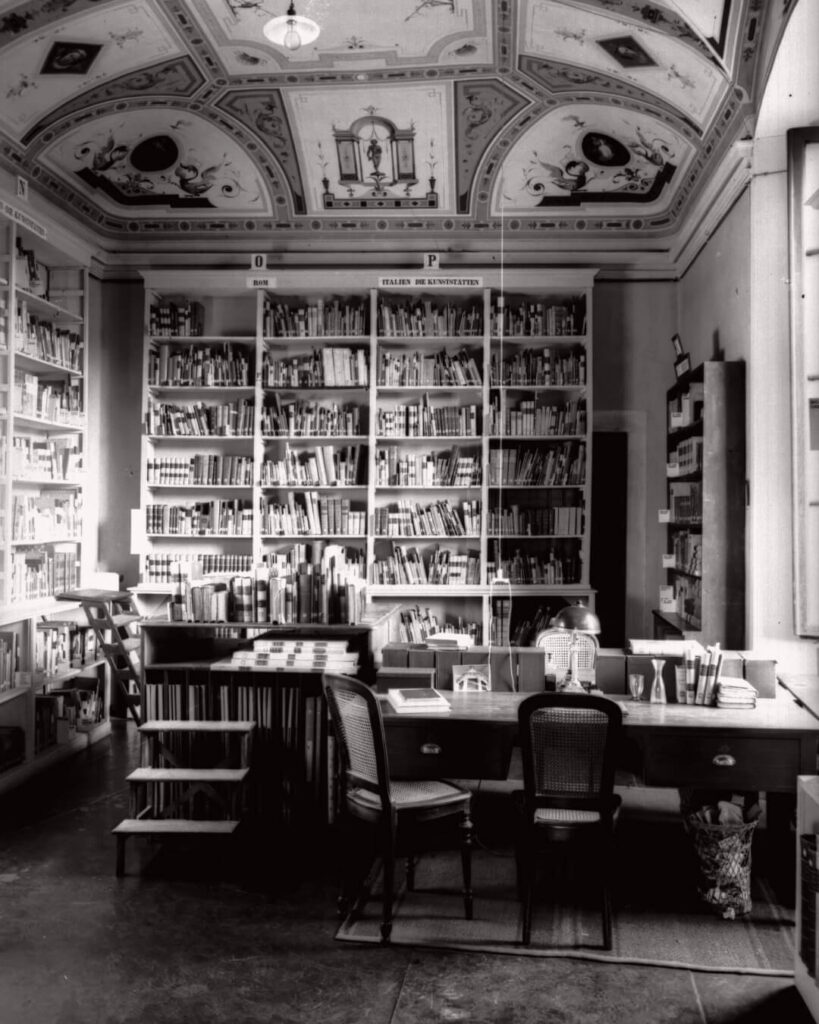
In the early 1900s, the Thouar Library was established on the ground floor of Palazzo Guadagni, while the second floor was rented by the Kunsthistorisches Institut, one of Germany’s oldest research institutions dedicated to the history of art and architecture in Italy. Around the same period, the Bandini sisters established their guesthouse on the upper floors of the palazzo, where the hotel is located today.
1939/1945
A Refuge for Art and Resistance
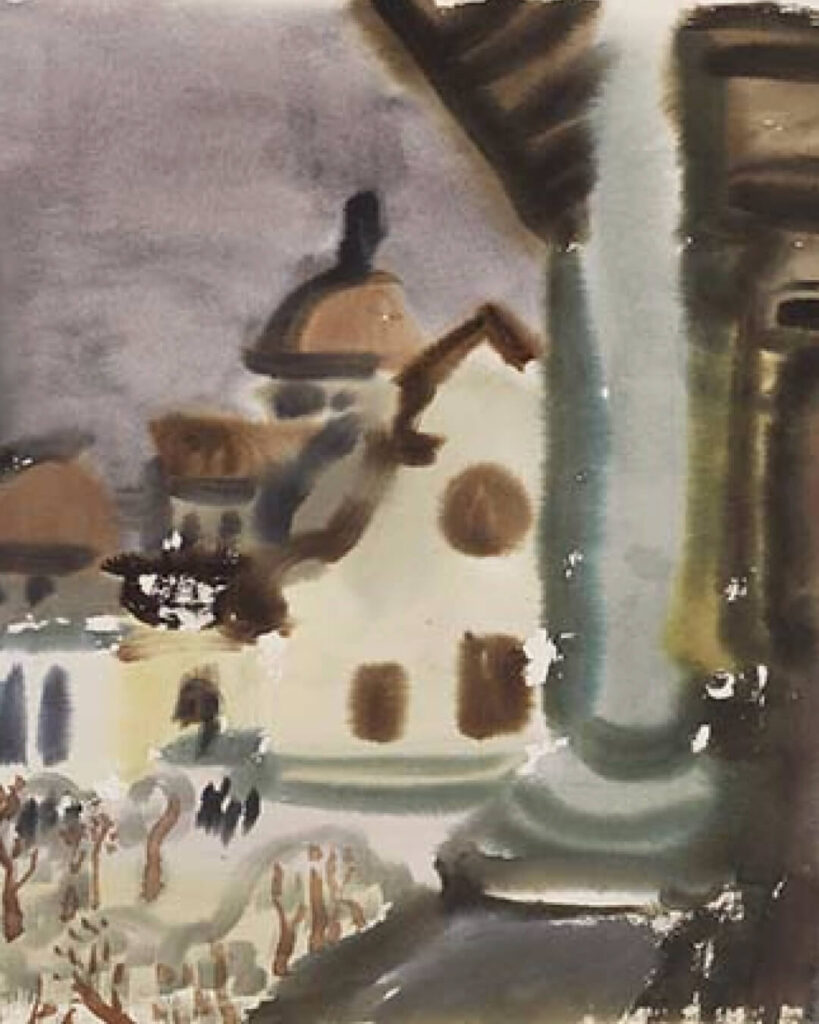
Popular among artists and visitors associated with the German institute, Pensione Bandini hosted painters such as Eduard Bargheer, Karl Sohn-Rethel, and Rudolf Levy, who depicted the loggia and the views from the palazzo in numerous canvases. During the Second World War, the Bandini sisters sheltered many artists and opponents of the Nazi regime within the palace and its attics. Partially filmed at Palazzo Guadagni in the 1990s, the movie "A Tea with Mussolini" directed by Franco Zeffirelli, offers a glimpse of the palazzo and its neighborhood during that period.
TODAY
From Renaissance Palace to Living Landmark
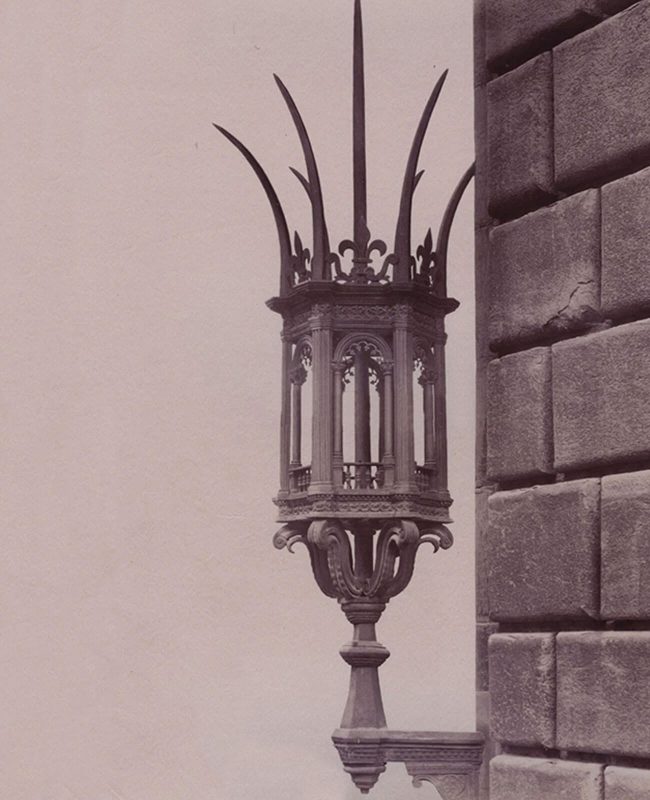
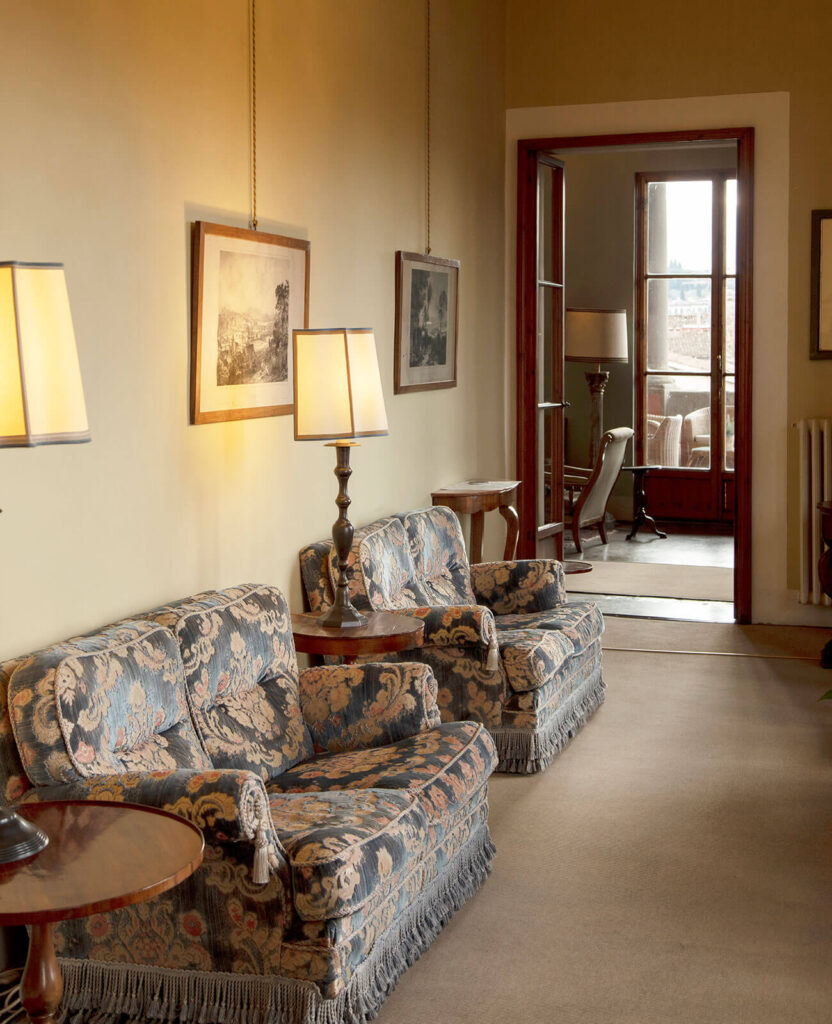
Since 2008, the upper floors of Palazzo Guadagni and its historic loggia have been carefully restored and transformed into a charming hotel and rooftop terrace, welcoming travellers and locals alike in search of an authentic Florentine experience in the heart of the city. Today, visitors can still admire the palazzo’s original Renaissance details, including the loggia’s Corinthian columns, the caparra lantern on the exterior façade, and the stone benches lining the building.
A POSTCARDS FROM FLORENCE
Subscribe to receive our city guide and newsletters from Florence, delivered straight to your inbox.